The Villages Florida, Spring 2026
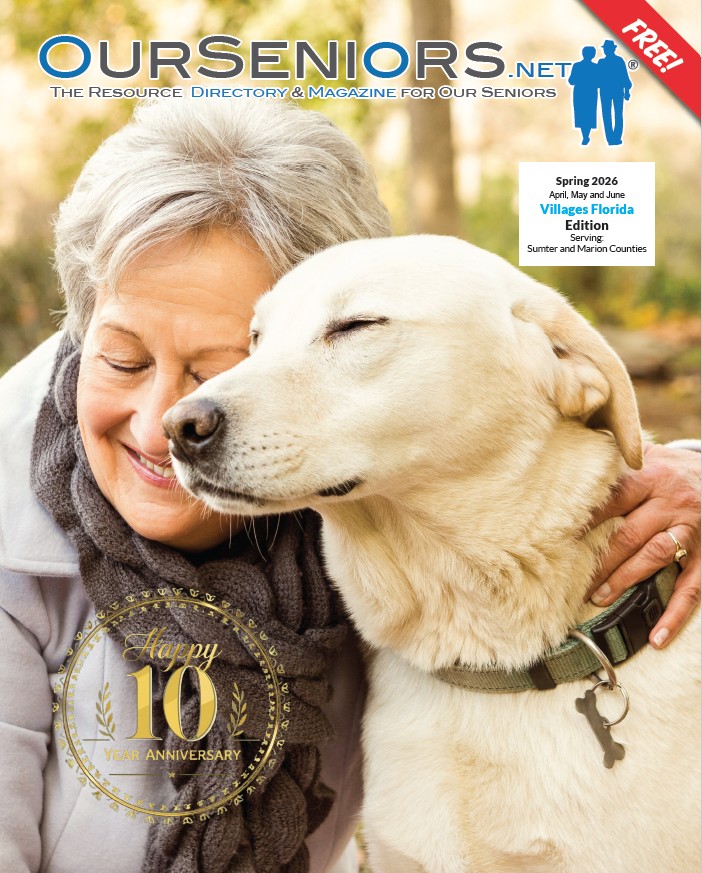
The Villages Florida Spring 2026 Edition – OurSeniors.net Magazine
Incredible news, The Villages Florida Spring 2026 Issue of OurSeniors.net Magazine for the year 2026 has been officially released for the Villages communities. Can you imagine it has already been a decade! Celebration for the anniversary, OurSeniors.net!
Contents
Spring 2026 | Volume X | Issue 1







In the News
4. OurSeniors.net Magazine Celebrates a Decade yes 10 years: Enhancing Senior Living Through Comprehensive Resources
5. OurSeniors.net is excited to introduce its latest Approved Vendor, Urban Poling, Inc.
9. OurSeniors Mobile App Version 2 officially released
Community
20. Donate While You Dine and 50/50 Raffle Events
Entertainment
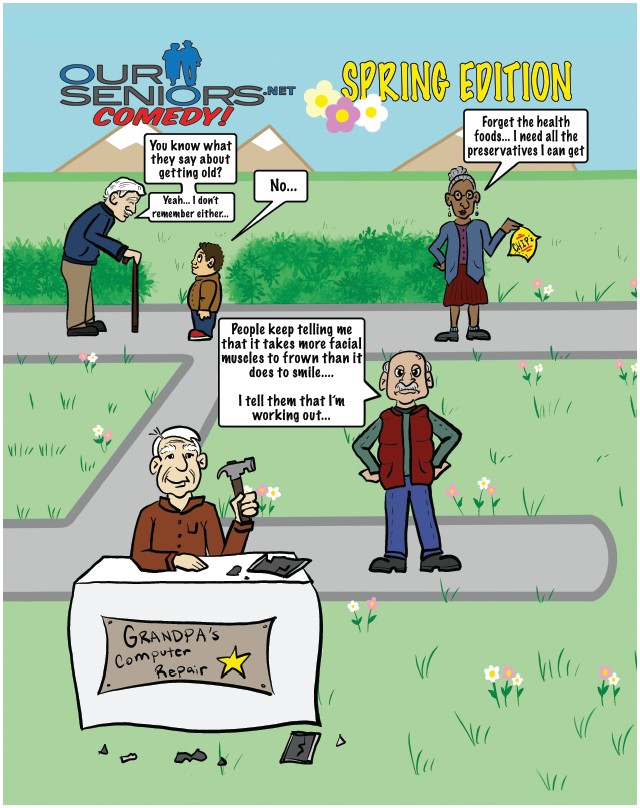
13. OurSeniors Comedy
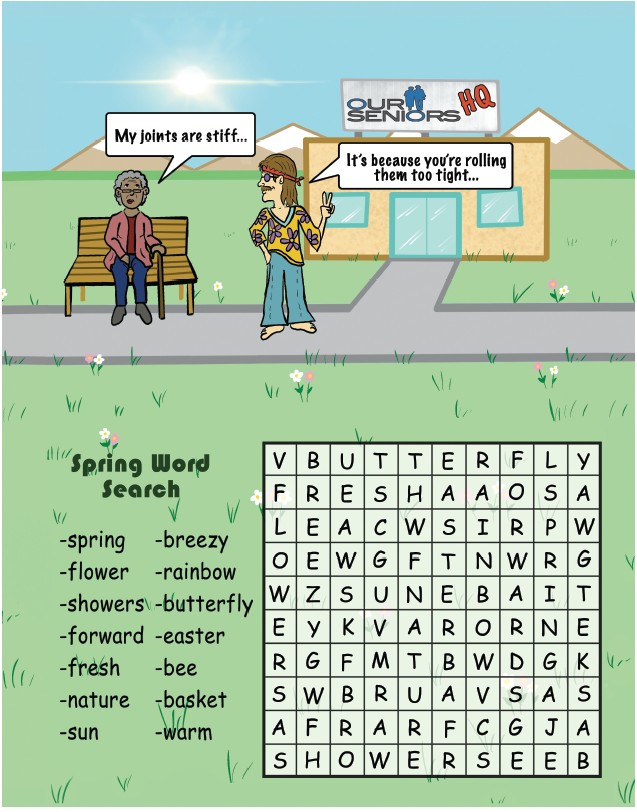
16. Crossword Puzzle for OurSeniors
Finance & Retirement
17. Building a Future-Proof Safety Net Without Reliance on Social Security or Medicare
Fraud & Security
11. How Seniors Can Protect Their Savings and Stay Safe from Scams
18. Scamming is an equal opportunity employer
Health & Wellness
7. Finding My Balance: How Pole Walking Gave Me Back My Confidence
10. Restricted Movement? Here’s How to Establish a Suitable Exercise Plan as an Older Adult
Inspirational
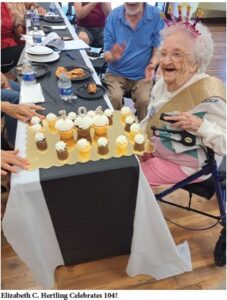
6. Our young Elizabeth Hertling turns 104! Congrats Elizabeth, you are an Amazing Senior!
Don’t miss another edition by donating! Visit OurSeniors.org/donate
Disclaimer: The information published in this magazine and our website is intended for residents of the USA. The opinions, beliefs and viewpoints expressed by the various authors in this magazine and on this web site do not necessarily reflect the opinions, beliefs and viewpoints of OurSeniors.net Magazine or official policies of OurSeniors.net Magazine, OurSeniors Radio, OurSeniors Discounts, OurSeniors.org, Inc., OurSeniors.com and or its related entities. It may contain general information about medical conditions, public and private health service organizations and other third-party information including but not limited to testimonials. The information is not advice (legal, medical or otherwise) and should not be treated as such. Consult your licensed Professional such as Attorney and or Doctor etc. for further advice. No claim is made as to the accuracy, authenticity or completeness of any information and, is often provided in a generalized or summarized format for brevity. OurSeniors.net Magazine, LLC and or its subsidiaries, does not accept any liability for the information (nor for the use of any information) provided by this magazine and or website. The information presented by this magazine and website is provided on the basis that all viewers undertake responsibility for assessing the relevance and accuracy of the data related to their circumstances. Thank you for reading our magazine and visiting www.OurSeniors.net and please contact us if we can be of further assistance. All real estate advertised in OurSeniors.net is subject to the Federal Fair Housing Act. This federal law makes it illegal to advertise any preference, limitation or discrimination based on race, color, religion, sex, handicap, familial status, or national origin, or intention to make any such preferences, limitation, or discrimination. We will not knowingly accept any advertising for real estate which violates the law. All persons are hereby informed that all real estate advertised in OurSeniors.net is available on an equal opportunity basis. Information contained herein has been furnished by community owners, managers and agents. OurSeniors.net and or OurSeniors.online, OurSeniorsDiscounts.net and or OurSeniors.org, Inc. and OurSeniors.net Magazine, LLC do not make any representations as to opinions and facts. All terms and conditions of rentals are subject to change. OurSeniors.net reserves the right to refuse advertising space to anyone deemed unsuitable for placement in this publication. OurSeniors.net, OurSeniors.online, OurSeniorsDiscounts.net and or OurSeniors.org, Inc., and OurSeniors.net Magazine, LLC retains all rights reserved by copyright 2023 OurSeniors.net, and or OurSeniors.net Magazine, LLC. This publication or parts thereof may not be reproduced in any form without the written permission of the publisher. For further Disclaimer information please visit www.ourseniors.net and click Disclaimer on the footer of the website. Please note that websites and links are referenced in the magazine, and you may have complete access to our online version by visiting www.ourseniors.net/editions.

To Our Valued Readers, Subscribers, Vendors, and Donors of OurSeniors,
OurSeniors.net Magazine Celebrates Its 10-Year Anniversary: Enhancing Senior Living with Comprehensive Resources
Celebrating a decade of dedication, OurSeniors.net Magazine has marked its 10-year anniversary as a trusted resource for seniors and their families. This milestone underscores the magazine’s commitment to providing invaluable information, resources, and support tailored specifically for the senior community. OurSeniors.net Magazine offers a wide range of services designed to improve the quality of life for seniors, including insightful articles on health, lifestyle, and financial planning.
Comprehensive Services for Seniors
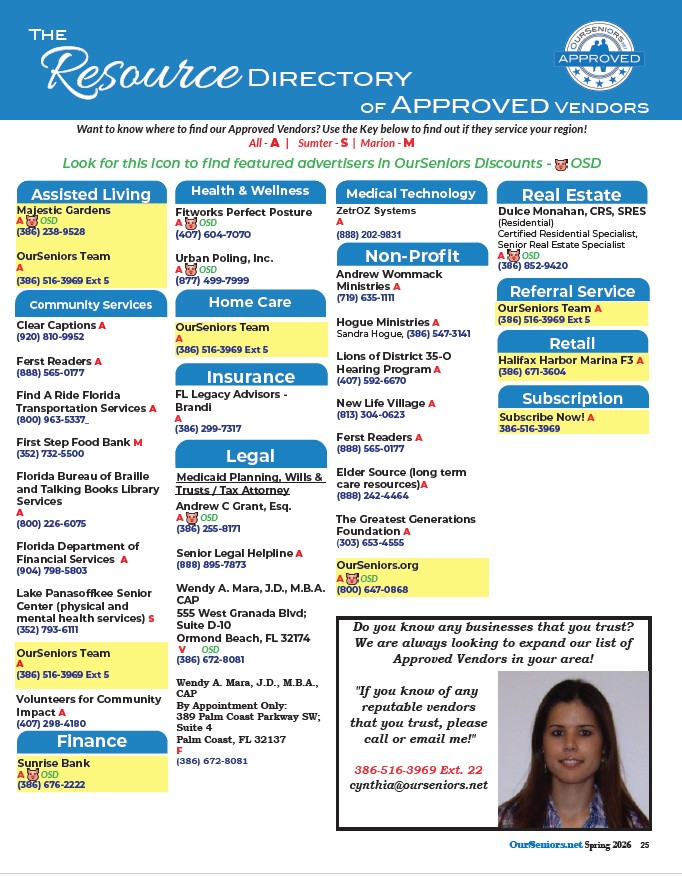
OurSeniors.net is more than just a magazine; it is a multifaceted platform that caters to the diverse needs of seniors. Through its associated platforms, OurSeniors.org and OurSeniors.com, the organization extends its reach by offering an array of services. Seniors can access a wealth of information on senior-friendly living options, healthcare advice, and community events. The website also features a user-friendly directory that connects seniors with businesses and services that cater to their needs.
The newly launched OurSeniors Mobile App is an innovative tool designed specifically with seniors in mind. The app provides seamless access to all the content and services available on OurSeniors.net, ensuring that seniors can easily navigate and utilize the resources they need, whether they are at home or on the go.
Innovation and Impact
“OurSeniors.net has always been at the forefront of addressing the unique challenges faced by the senior community,” said Julian G. Cantillo, President and Founder of OurSeniors.net. “The introduction of the OurSeniors Mobile App is a testament to our commitment to innovation and accessibility, enabling seniors to engage with vital information and services more efficiently than ever before.”
OurSeniors.net Magazine and its associated platforms have been instrumental in improving workflow efficiency for seniors and their caregivers. By consolidating essential resources into one easily accessible location, the organization simplifies the process of finding and utilizing the tools necessary for senior living.
Availability and Access
OurSeniors.net Magazine is on the website and on the Mobile App, ensuring that seniors can choose the medium that best suits their preferences. Help keep all of the resources for free, yes El Freebo by donating at www.ourseniors.org The OurSeniors Mobile App can be downloaded for free from both the Apple App Store and Google Play, making it accessible to a wide audience of seniors who can benefit from its comprehensive features.
-As always, you as a reader are part of everything that we achieve, and that will never go unnoticed.
Sincerely,
OurSeniors.net Team

After a decade of dedicated service, OurSeniors.net Magazine commemorates its ten-year milestone as a trusted resource for seniors and their families. This landmark celebration underscores the magazine’s commitment to providing vital information, tools, and support tailored for the senior community. OurSeniors.net Magazine offers a broad array of services aimed at improving the daily lives of older adults, featuring informative articles that address health, lifestyle changes, and financial advice.
Comprehensive Services for Seniors
OurSeniors.net is more than just a publication; it functions as a holistic platform that meets the diverse needs of senior citizens. Through its affiliated websites, OurSeniors.org and OurSeniors.com, the organization extends its offerings, providing an extensive range of services. Seniors can access a rich pool of information regarding senior-appropriate housing options, healthcare support, and local happenings. The website also features a user-friendly directory that connects seniors with businesses and services that meet their needs.

The newly launched OurSeniors Mobile App is a groundbreaking tool designed specifically for older adults. It provides seamless access to all resources and services available on OurSeniors.net, ensuring seniors can easily locate and utilize the information they seek, whether at home or on the move.
Advancements and Impact
“OurSeniors.net has continually spearheaded initiatives addressing the unique challenges faced by the senior community,” stated Julian G. Cantillo, the President and Founder of OurSeniors.net. “The introduction of the OurSeniors Mobile App illustrates our steadfast dedication to innovation and ease of access, enabling seniors to obtain essential information and services more effortlessly than ever before. “
OurSeniors.net Magazine and its associated platforms have significantly contributed to streamlining processes for seniors and their caregivers. By consolidating vital resources into a single, easily accessible hub, the organization makes it easier for individuals to find and utilize the tools necessary for senior living.
Access and Usability
OurSeniors.net Magazine can be found on its website and the Mobile App, offering seniors the choice of format that best suits their needs. To help sustain all these resources free of charge, consider making a donation at www.ourseniors.org. The OurSeniors Mobile App is available for free download on the Apple App Store and Google Play, ensuring wide accessibility for seniors who can benefit from its wide-ranging features.
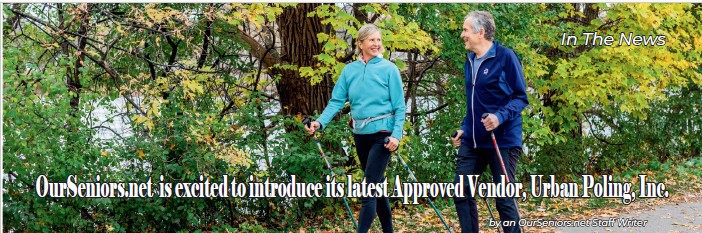
OurSeniors.net Magazine has been supporting seniors in Florida for a decade and is excited to introduce its latest Approved Vendor, Urban Poling Inc.
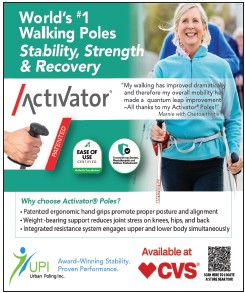
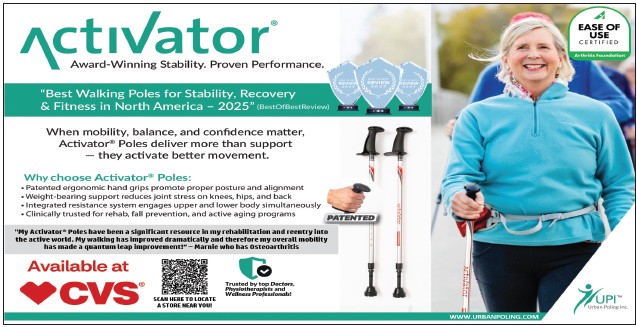
Urban Poling Inc. has been recognized as the top choice for “Best Walking Poles for Stability, Recovery & Fitness in North America” by Best of Best Reviews. This honor celebrates the innovative design of the company’s ACTIVATOR® and Nordic walking poles and their beneficial effects on movement, fitness, and rehabilitation.
“We are thrilled and appreciative of this acknowledgment,” stated Diana Oliver, CEO of Urban Poling Inc. “Our goal is to assist individuals in leading improved lives. We are devoted to enhancing mobility, and our walking poles empower people of various health conditions to move with more assurance, whether they are walking slowly or at a quicker pace. “
Urban Poling’s ACTIVATOR® poles are frequently suggested by physical therapists and medical professionals as helpful tools for those preparing for or recovering from surgeries related to the knee, hip, or back, as well as for people dealing with neurological issues and other conditions that impact balance.
Created by an occupational therapist, the ACTIVATOR® poles have special handles that do not require straps and are designed to be easy to hold, making them particularly suitable for individuals with limited grip strength or arthritis. These poles are also recognized by the Arthritis Foundation as a tool that enhances everyday usability.
Over 350 clinical studies support the advantages of walking with poles, including 19 studies specifically focused on Urban Poling’s products. Findings indicate that pole walking can enhance posture, balance, strength, mental well-being, and overall mobility.
ABOUT URBAN POLING INC.
Urban Poling Inc. is a worldwide leader in the creation, education, and programming of walking poles based on research. Established in 2005, the company creates and sells ergonomically designed ACTIVATOR® and Nordic walking poles and offers training and certification for instructors that are valued by professionals in healthcare, fitness, and recreation globally. You can find Urban Poling walking poles at select CVS Pharmacy locations and online by visiting https://www.cvs.com/shop/activator-poles-for-improved-mobility-rehab-fitness-prodid-731221 and online visit https://www.ourseniors.net/services/united-states/ontario/toronto/health-wellness/urban-poling-inc/

Each birthday represents a unique occasion, a date meant for remembrance and enjoyment. For Elizabeth Cummings Hertling and her acquaintances, several recent birthdays stand out as particularly significant. Two years prior, a group of firefighters from Orlando arrived to join in her festivities. The mayor also made an appearance. After all, reaching the age of one hundred is quite rare. It’s worth noting that this celebration occurred two years ago. By the time this article is published, Elizabeth will have welcomed her 104th birthday!
There are numerous reasons for recognizing an individual as one of OurSenior’s “Amazing Seniors.” If you had the opportunity to converse with this centenarian, it would be evident that she fits this distinction. At the age of 104, Elizabeth Hertling exhibits the intellect and expressiveness typical of a dynamic, young adult. She recalls her childhood, her employers, and her journeys across the United States and Europe. She vividly remembers the world in which she was born and how drastically it contrasts with today’s society.
She entered the world 104 years ago in Charleston, West Virginia. Although Charleston served as the capital of West Virginia and was the state’s largest city, it still maintained the charm of a small town. When she was young, her parents separated, and her mother took on the responsibility of raising her. When reflecting on her early years, she expressed two thoughts: “We struggled financially” and “I hope to never see another snowflake again.”

Elizabeth belongs to what is known as “The Greatest Generation,” individuals who refused to be defeated or discouraged by challenging situations. At the age of 18, she landed her first job at the S. S. Kresge & Co. store in Charleston. The Kresge establishments were open from 9 to 5 on weekdays and 9 to 9 on Saturdays, which resulted in a 52-hour work week for which she earned $9.95! Elizabeth considers herself someone willing to take on any challenge, so she quickly adjusted when assigned to the hardware section. During that period, it was rare to find a woman in such a role.
Her dedication and aptitude for numbers did not go unnoticed. She received a promotion to the office and bookkeeping sector, earning $17 weekly. Throughout this time, she committed herself to personal growth. With the help of a scholarship, she pursued studies at Kanawha Community College and the University of Charleston. A significant portion of her career would involve roles in administration and accounting, frequently serving America’s military.
Certainly, numerous days filled with work and study have merged in her recollections of Charleston, yet some memories remain prominent. Seniors might remember the “paper boys” who would shout headlines on street corners while selling local newspapers. That was the moment she discovered the news of the Pearl Harbor attack after exiting a cinema. Four years later, she found herself witnessing an unplanned parade celebrating V. E. Day, during which the parade Marshall invited her to join the march, entrusted her with his baton, and allowed her to take the lead.
Similar to many individuals from that “Greatest Generation,” Elizabeth was not content to remain at home indefinitely. Her philosophy has consistently been “Do what you wish. If it doesn’t suit you initially, give it a go anyway!” One day, she stumbled upon a book that you might remember, “Fodors Europe on $10 a Day.” This sparked her desire to explore, prompting her to journey to Europe without a partner or companion. Elizabeth was always eager for new experiences!
Upon her return, she continued her professional life, frequently taking on roles connected to the military. One such position was at Camp Lejeune, where she met General Chesty Puller, the most decorated Marine in U. S. history. While America regards General Puller as a formidable combatant, Elizabeth recalls his commitment to his family.
Throughout her journeys and escapades, she found moments to marry three times, outliving each husband. She faced numerous significant health challenges, including a form of cancer that might have been linked to the contaminated water from Camp Lejeune. Each time, she battled the illness and continued to thrive. Though she ceased driving last year, she has retained her Prius just in case. For many years, she was recognized as the “Bridge Lady” at Beardall Senior Center in Orlando, where she coordinated bridge games and tournaments.
Elizabeth is eager for many more fulfilling years ahead. After all, she had aunts who reached the ages of 105 and 108. Most importantly, she is spirited, attentive, and brimming with joy! When OurSeniors inquired about her key to longevity, she did not mention any specific food, exercise regimen, or health product. Instead, she reiterated her philosophy, “Do what you want. If it doesn’t suit you at first, give it a shot anyway. You can adjust it as you grow older.”
Here’s to you, Elizabeth Hertling. You undeniably merit the title of “Amazing Senior.”
How It All Began
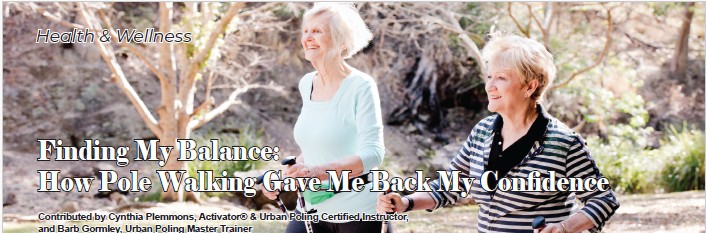
As a pole walking enthusiast and certified Nordic walking and ACTIVATOR® pole instructor, I get lots of questions. Are ACTIVATOR® poles for rehabilitation, improved stability, fitness, or hiking? The truth is they can be used for all of these. In my case, using ACTIVATOR® poles has even led to a meaningful second career after retirement.
My journey began in 2020 after a medication reaction seriously affected my balance. I suddenly felt unsteady on my feet and began relying on a walker to prevent falls. After about a year, a friend mentioned that his physical therapist had recommended walking poles and let me try his. I felt a difference immediately—I could stand up straighter, breathe more deeply, and felt steadier on my feet.
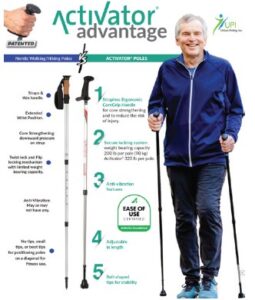
After purchasing my own pair, I started walking with poles everywhere—shopping, running errands, and enjoying walks in nature.
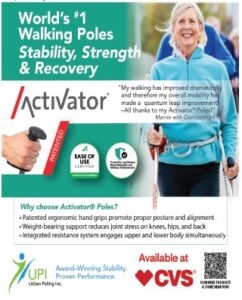
Having worked as a practical nurse, I wanted to make sure I was using well-designed equipment and understand why the poles made me feel so much better. My research led me to Urban Poling, a company designing and distributing poles since 2008. Their poles were created by an occupational therapist, and their strapless, grab-and-go patented handles make them easy to use especially for people like me with rheumatoid arthritis in their hands. Their ACTIVATOR® poles have also received certification from the Arthritis Foundation as an “Ease of Use” tool that improves accessibility in daily life. I was encouraged to learn that multiple clinical studies, including 19 specific to Urban Poling’s designs, support the benefits of walking poles.
With research complete, I enrolled in the Urban Poling instructor training program, which included a set of ACTIVATOR® poles. That decision truly changed everything for me.
Discovering the Science Behind the ACTIVATOR® Poles
During the training, I learned that adding ACTIVATOR® poles to walking can engage up to 90 percent of the body’s muscles because the upper body and core are actively involved. Pressing down on the ledges of the ACTIVATOR® pole handles contracts your arms and core, helps you stand upright, and gently propels you forward.

By comparison, regular walking engages only about 40 percent of the body’s muscles because the upper body and core are relatively passive. Understanding the mechanics behind the improvements gave me the confidence to trust the process and stay consistent.
Strength, Balance, and Unexpected Benefits
As I continued using the poles, I noticed steady improvements. I felt stronger and more energetic. Even my bone density numbers improved because I now had the confidence and motivation to walk longer and more often. My upper body became stronger, and the neck and back discomfort I used to feel gradually disappeared.
Just as important, my mental health improved. Walking regularly, often at a faster pace, gave me a welcome endorphin boost. There was also something deeply empowering about knowing that improving my health was literally in my own hands.
Eventually, my strength, coordination, and confidence reached a point where I no longer needed my walker. That was a major milestone. Of course, this has been my personal experience. I always encourage others to consult with their doctor or physical therapist before moving from a walker or cane to walking poles.
Sharing It with Others
After experiencing these benefits, I felt called to share what I had learned. Today, I offer what I believe is the only indoor pole walking program in Florida. I teach in Lakeland, where participants come for different reasons. Some want to improve mobility and balance; others are simply looking for a new and enjoyable way to stay active.
Once participants feel confident indoors, we move outdoors to one of Lakeland’s beautiful parks to learn Nordic walking. Nordic walking is a faster-paced technique that burns more calories and increases cardiovascular benefits. Often described as cross-country skiing without skis, it offers a more athletic approach to walking.
Seeing others gain confidence and strength has been one of the most rewarding parts of this journey for me.
Looking Ahead
My long-term goals are to partner with hospitals and gyms to start community pole walking programs and to host the first pole walking 5K in Florida. I am inspired by FitFarmers Ireland, which runs a nationwide initiative that includes ACTIVATOR® pole walking as part of community fitness programming.
I often think of the song “Why Walk When You Can Fly” by Mary Chapin Carpenter. Pole walking has allowed me to create my own outdoor gym and move through life with greater confidence, even in busy places like airports.
For me, pole walking has been the simplest way to build that kind of consistent movement into my everyday life.
So I often ask others: Why walk when you can ACTIVATOR® pole walk?
Urban Poling walking poles are available at select CVS Pharmacy stores and on the Urban Poling website: https://urbanpoling.com/.
For information about ACTIVATOR® pole walking classes with Cynthia Plemmons, send an email to POLEWALKFL@gmail.com

OurSeniors.org, a well-known nonprofit entity recognized as 501(c)(3), is dedicated to improving the quality of life for senior citizens and their families. The organization is excited to launch its newest mobile application, designed to offer seniors easy access to vital resources, community connections, and personalized support.
The updated version of the OurSeniors mobile app is now ready for download. This comprehensive platform presents a wide range of information and services tailored specifically for older adults. With a user-friendly design and intuitive navigation, the app aims to link seniors to the essential resources they need to succeed in today’s digital world.
Key Features of the OurSeniors Mobile App:
To start, users have full access to OurSeniors Online Magazine, events, approved vendors, senior discounts, and OurSeniors Radio and Videos. Additionally, there is a Resource Hub that facilitates the exploration of numerous articles, guides, and videos that focus on various topics, including health, wellness, financial planning, and legal advice tailored for seniors.
“Our mission at OurSeniors is to enhance the well-being of older adults by providing them with the essential tools and resources to sustain their independence and confidence,” mentioned Julian G. Cantillo, Executive Director of OurSeniors.org. “The introduction of our mobile application marks a significant leap in making vital information and assistance more accessible than ever before. “
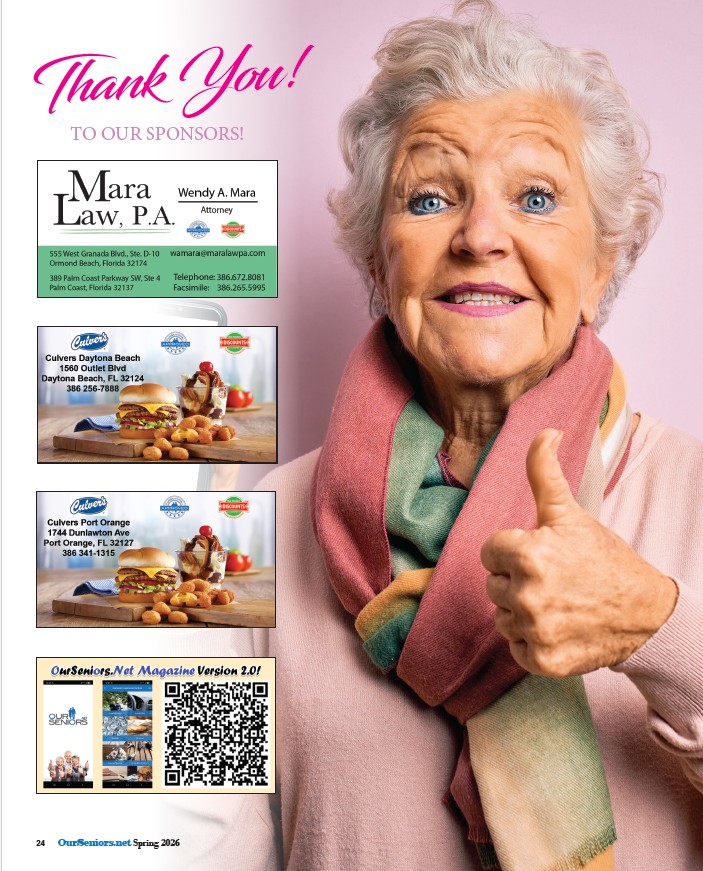
The OurSeniors Mobile App is available for free on both iOS and Android devices. Users can create a personalized profile that enables them to customize their experience and receive recommendations that match their interests and needs. We thank our sponsors, including Mara Law, Culver’s of Port Orange, and Daytona Beach. For more information about the OurSeniors mobile app and to download it now, please go to https://ourseniors.net/ourseniors-mobile-app/


A significant number of individuals, more than 25% of adults in the U. S. aged 50 and above, do not engage in regular physical activity. As one ages, maintaining a consistent exercise schedule might become more difficult. This is understandable since aging often leads to a decline in muscle mass, bone density, and flexibility.
These factors only emphasize the importance of establishing a workout strategy that accommodates your personal capabilities and lifestyle. With age, various bodily changes can make remaining active more challenging. Nonetheless, it is crucial to acknowledge that adhering to a consistent exercise regimen can help mitigate or even reverse some of the physical declines associated with aging.
If you face mobility limitations or find it difficult to maintain a standing position for an extended exercise session, discovering suitable physical activities can be challenging. Fortunately, there are options available for seniors in Florida to find a fitting workout routine, and it might be simpler than you expect.
Which Exercises Are Best for Seniors?
In designing a suitable workout plan for seniors, aim for a total of 150 minutes of physical activity each week. This could translate to around 37 minutes of exercise four times a week or 30 minutes five times a week. With this goal in mind, it is essential to understand which specific exercises to include in your schedule.
The objective will be to select exercise types that combine strength training with activities aimed at improving flexibility and mobility.
To help you begin, consider incorporating exercises such as:
Nature Walks
Dancing
Swimming
Tai Chi
While this list can certainly be expanded, it provides a glimpse of activities that can enhance your strength and flexibility while offering enjoyment.
How to Locate Suitable Exercises for Seniors Facing Mobility Challenges
When your mobility is restricted, it’s essential to tailor your exercise regimen to meet your individual needs, which can vary from person to person. Nonetheless, with a few straightforward modifications, you can continue to enhance your strength and overall health without engaging in overly intense activities or those that may not adequately address your requirements.
The fundamental approach is to initiate with low-impact exercises and incorporate these activities regularly into your daily life. Consistency will lead to improved strength over time. Additionally, consider diverse options. Many older adults find that working out in water is both enjoyable and generally calming.
For seniors residing in Florida, taking advantage of the proximity to beaches, pools, and lakes makes this easy. Some typical exercises for seniors to explore include:
Walking
Yoga
Water aerobics
Cycling
Any style of dancing
When dealing with restricted mobility, look for exercises that do not demand excessive physical effort, those suitable for performing while seated or lying down, as well as workouts that integrate elements for relaxation and strength development.
Strength Training for Those with Limited Mobility
Engaging in a consistent strength training regimen can significantly enhance your quality of life as you age. It promotes increased flexibility and balance and can even elevate your mood. Strength training is also effective for building or preserving muscle mass, and it can lead to improved mobility.
One of the advantages of strength training exercises is their ability to help avert conditions like osteoporosis, and they serve as an excellent method to reduce the risk of falls, especially those that could lead to severe injuries such as fractures. Additionally, it is noteworthy that strength training can aid in enhancing insulin sensitivity and improving glucose metabolism.
To provide examples of effective exercises within this category, here are some recommendations.
Wall push-ups
Weightlifting with manageable weights while seated, or with assistance if necessary
Chair squats
Rowing
Lying hip bridges
Remember, for seniors aiming to engage in strength exercises consistently, the minimum number to aim for is 3. However, avoid exceeding 6 strength workouts in a week, as recovery days are crucial to prevent overexertion.
Cardio Exercises for Limited Mobility
Consulting a healthcare professional is essential before initiating a new exercise program, particularly if you have conditions like heart disease, type 2 diabetes, or hypertension. It’s important to remember that cardiovascular exercises can help minimize the likelihood of these ailments. Furthermore, engaging in cardio activities serves as an effective preventive measure against strokes, obesity, and even some cancer varieties.
As a senior, you might consider trying a range of cardio activities such as:
Short distance running or jogging
Gardening, which counts as cardio
Walking at a brisk pace
Rowing
Swimming
Arm circles
For seniors residing in Florida, taking part in cardio workouts on the beach or in open-air environments allows you to enjoy fresh air and enhance your sun exposure. This exposure can contribute to safeguarding against degeneration of brain health, making outdoor exercise an excellent choice for a new fitness routine.
Just remember to consistently apply sunscreen to shield your skin as you enjoy additional sunlight.
Stretching Exercises for Limited Mobility
Stretching represents a gentle form of exercise that can enhance the health of your joints. Furthermore, it can lead to improved posture. Limited mobility often results in discomfort across various regions of your body.
For instance, if you cannot regularly move your hips, you might find yourself frequently experiencing back pain. Incorporating stretching exercises can assist in alleviating that issue by enhancing flexibility and reducing muscle soreness and tension.
To begin with beneficial stretches, consider trying:
Hamstring stretches, preferably with assistance
Various yoga styles
Raising your arms
Twisting your torso while seated
Lifting your calves
Rotating your wrists and ankles
It’s also worth noting that seniors can anticipate better circulation along with numerous other advantages.
Over Time, You Will Feel a Difference
Regular physical activity is one of the most beneficial actions you can take for your health, and age should never hinder you from engaging in it. With slight adjustments to your exercise regimen that caters to your unique abilities and needs, you can continue to enhance your strength and overall well-being.
This information is educational, but please consult your physicians before you try any of these suggestions for your health and safety. Keep visiting www.ourseniors.net where we keep you informed.
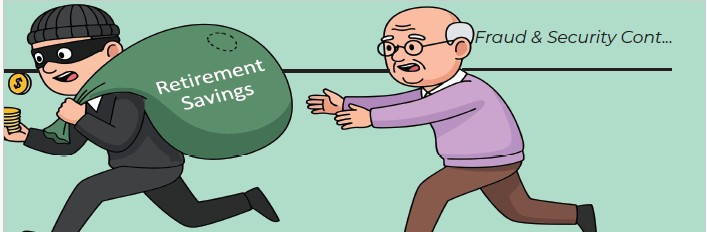
For seniors and retirees living on fixed incomes and shopping online, every dollar saved often has a job to do, covering rising costs, property taxes, and daily essentials. That reality makes financial abuse risks especially painful, because elder financial exploitation can quietly drain savings and shake confidence in handling money independently. Scammers count on trust, urgency, and isolation, and even careful people can feel pressured in the moment. With calm vigilance against scams and the right support for older adults, retirement money can stay where it belongs and peace of mind can stay intact.
Understanding How Senior Scams Usually Work
At its core, most scams follow a predictable script: a stranger creates urgency, asks for secrecy, and pushes you to act before you can verify. Common traps include phishing messages that mimic a bank, identity theft that uses stolen details, and social engineering that manipulates trust. The elder financial fraud, scam prevalence reminds us this is a widespread pattern, not a rare fluke.
This matters because bargain hunting and online shopping should stretch your budget, not open a door to hidden losses. When you recognize the setup early, you can pause and protect money meant for groceries, prescriptions, and home expenses. Reports show a record $12.5 billion was stolen from older adults in 2024, so small checks can prevent big setbacks.
Picture getting a text about a “limited time” discount on a product you already buy, with a link to confirm your card. The deal looks real, but the pressure is the giveaway. Scams often start with something small, then escalate once they know you respond.
Practical safeguards like direct deposit, stronger passwords, and advisor check-ins make these scripts much harder to run.
Put Up Guardrails Today: A Simple Safety Setup
Most scams succeed because they catch us on a busy day and pressure us to act fast. A few small “guardrails” can slow things down, protect your personal financial information, and make it much harder for a scammer to get paid.
Move income to direct deposit (and retire paper checks): Call your pension provider, Social Security office, or benefits administrator and ask to switch to direct deposit. It reduces the chance of a check being stolen from the mailbox or “rerouted” by someone claiming to help you. While you’re at it, ask your bank to send you a text or email alert for any deposit or withdrawal over an amount you choose.
Create a “pause rule” for money requests: Scammers often rely on urgency, secrecy, and odd payment methods, classic social engineering. Decide on one simple rule: no gift cards, no wire transfers, and no “payment to release a prize,” ever. If someone asks for money unexpectedly, hang up and call back using a phone number from your statement or the back of your card.
Use long, unique passwords for financial accounts: Start with your email, bank, and shopping accounts, those are the keys to everything else. A practical target is 15 characters or more using a memorable phrase you can type (like a short sentence) plus a few numbers or symbols. Make each password different, so one leak doesn’t unlock multiple accounts.
Lock down your shopping “discount habits”: Deals are great, but scammers know we’re bargain-hunting. Keep one credit card just for online purchases, set a lower credit limit if you can, and don’t save your card number on retail sites unless you truly use them often. When a “too-good-to-be-true” discount shows up in an email or text, go to the store by typing the web address yourself instead of clicking.
Do a 20-minute account tidy-up once a week: Pick one day, Sunday after breakfast works for many people, and check your bank and credit card transactions for anything unfamiliar. Also review automatic payments so a scam subscription doesn’t quietly drain your budget. If you see a charge you don’t recognize, call the number on your statement immediately and ask to freeze the card.
Bring in a financial advisor and add a trusted backup person: A good check-in can be especially helpful after retirement, when income and withdrawals look different and scammers try to sound “official.” Ask your advisor to help you set protections like a trusted contact person who can be notified if there are concerns about unusual activity. Choose someone steady, not someone who pressures you, and make sure they know your “pause rule.”
Reduce isolation with simple, scheduled touchpoints: Scammers love private conversations where they can build trust and keep you from reality-checking. Set up two regular check-ins each week, one with a friend or family member, and one with a neighbor, faith group, or community activity. If a strange call or message happens, you’ll already have someone to run it by before you act.
When these guardrails are in place, it’s easier to spot warning signs early, keep clean records, and handle paperwork safely when you need to update accounts or report suspicious activity.
Quick Answers to Common Scam-Safety Questions
Q: What are common signs that I might be targeted by financial scams as a senior?
A: Watch for urgency, secrecy, or pressure to pay in unusual ways like gift cards or crypto. Be cautious if someone “accidentally” overpays, asks you to confirm a code, or claims you must act now to keep benefits. The scale is real: elder fraud, 82,000 victims, $3.1 billion in 2022 shows why slowing down is a smart habit.
Q: How can I protect my personal and financial information from fraudsters?
A: Never share one-time passcodes, full Social Security numbers, or online banking logins by phone, text, or email. Use a password manager or a written password book stored in a locked place and turn on account alerts for withdrawals. If you need to update a form, use a browser-based PDF editor on your own device, editing PDFs online as needed, then download and save it to a secure folder.
Q: What practical steps can I take to regularly monitor my bank and credit accounts for suspicious activity?
A: Choose one weekly day to review transactions, automatic payments, and any new payees added to your accounts. Set low threshold alerts and take screenshots or notes of anything you do not recognize before calling the number on your statement. If something looks wrong, ask the bank to freeze the card or account and start a dispute immediately.
Q: How does staying socially connected help reduce the risk of financial exploitation?
A: Scammers often succeed when they keep you isolated and rushed, so a quick second opinion can break the spell. Plan regular check-ins and agree on a simple phrase like “I’ll call you back” for any money request. If a situation feels off, ask a trusted person to sit with you while you call your bank.
Q: How can affordable financial services help seniors on fixed incomes avoid falling victim to scams and better manage their money?
A: Low-fee checking, free alerts, and easy-to-read statements make it simpler to spot small drains before they grow. Automatic bill pay for trusted providers can reduce late fees and cut down on fake “past due” calls. If fraud is suspected, banks can document the issue and may file a suspicious activity report to help track patterns.
Small, steady habits keep your money safer and your peace of mind stronger.
Weekly Money-Safety Habits That Stick
Build protection into your week.
When I treat scam prevention like brushing my teeth, I feel calmer and more confident using discounts, coupons, and low-cost services. These small routines help you slow down, spot odd patterns early, and keep your retirement plans on track.
Weekly Statements Scan
● What it is: Log in to your primary bank account and scan recent charges for anything unfamiliar.
● How often: Weekly
● Why it helps: You catch small problems before they turn into bigger losses.
Two-Person Money Rule
● What it is: Ask a trusted person before sending money, gift cards, or changing account details.
● How often: Every time a request feels urgent.
● Why it helps: A second set of eyes breaks pressure tactics.
Password Refresh Routine
● What it is: Update your most important passwords and write changes in a locked password book.
● How often: Every 90 days
● Why it helps: It lowers the risk of account takeover.
Benefit and Claim Deadline Check
● What it is: Track incurring expenses and submitting claims so you do not miss reimbursements.
● How often: Monthly
● Why it helps: You avoid leaving money unclaimed and reduce rushed decisions.
Social Connection Appointment
● What it is: Schedule a standing call with a friend or family member to talk through money questions.
● How often: Weekly
● Why it helps: Staying connected makes it harder for scammers to isolate you.
Pick one habit this week, then tailor it to your family’s comfort level.
Build Confidence Online by Protecting Your Retirement Savings
Online shopping should feel convenient, not like a minefield where every email or call could cost hard-earned savings. The steady path is a reflective financial safety mindset, simple routines, healthy skepticism, and long-term financial vigilance that keeps decisions calm and deliberate. With that approach, confidence in retirement security grows, and empowerment against financial exploitation becomes a daily reality instead of a worry in the background. Small, steady habits are the best defense against scams. Choose one action today: set a weekly reminder to review accounts and save the contact information for resources for senior protection. This matters because financial safety protects independence, peace of mind, and the life built over a lifetime.
You do not have to sort through financial safety concerns alone. OurSeniors.net brings together practical tools, local guidance, and reliable information designed for older adults, helping you protect your savings while staying informed and confident about your financial decisions.


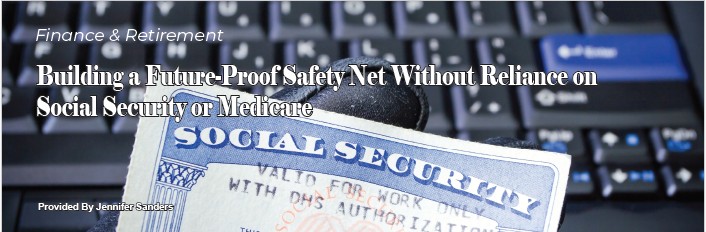
When the familiar scaffolds of retirement — Social Security and Medicare — start to wobble, you’re left staring into a future that demands reinvention. Maybe it’s not collapse that’s coming, but erosion: the benefits shrink, eligibility tightens, and the systems quietly stop working the way they once did. And so, the modern adult, whether 38 or 68, has to think beyond the default. The old playbook won’t cover the new costs. Especially when it comes to healthcare, housing, and staying sharp enough — and solvent enough — to keep living on your own terms. If you want freedom later, you have to start building differently now. Let’s talk about how.
Rethinking Financial Fundamentals Without Federal Backstops
Most people assume that their safety net will materialize through federal programs, but that assumption is both outdated and dangerous. There’s no guarantee that Social Security will remain intact or sufficient, especially for younger Gen Xers or late Millennials. Instead, the more pragmatic path starts with shifting your base layer: swap the assumption of support with personal agency. Learn the financial planning fundamentals for retirement security that help you build a scaffolding of cash flow, asset growth, and liquidity without leaning on monthly government checks. If your net worth can flex — not just exist — across multiple forms, you’ve already moved into a stronger strategic posture.
Income That Can Withstand Policy Shocks
It’s not just about saving — it’s about surviving multiple forms of volatility. Think about income that adapts. Instead of assuming a single pension or drawdown model, the new strategy focuses on diversify income streams beyond government benefits, building redundancy and creative layers. That could mean combining part-time consulting with high-yield savings, dividend-generating stocks, and low-overhead digital products. The key is making sure your income doesn’t all hinge on one system — especially one you don’t control. Flexibility beats fragility every time.
What If You Don’t Want to Wait Out the Market?
Some people can’t or don’t want to wait until 67. They want options now. One underrated move: retrain into sectors that offer both remote flexibility and employer-backed benefits. For those exploring a reboot, an online degree in computer science can open doors to roles where insurance is bundled and salaries can absorb healthcare costs. The beauty of this route? You’re not waiting for legislation to save you — you’re building a career moat that lets you opt out of scarcity-based systems altogether.
Planning for Health Coverage Without the Medicare Crutch
Here’s where things get trickier. Healthcare is unpredictable, inflated, and structurally opaque. But it’s also navigable — if you decouple your timeline from Medicare and plan ahead. Many people are surprised to find that health coverage options before Medicare eligibility aren’t limited to COBRA or ACA marketplaces. There are newer, customizable coverage models that let you design a care strategy before hitting the Medicare age line. These are often underutilized simply because people assume they won’t qualify or can’t afford it. But affordability is often about planning, not price.
Bridging the Age Gap Between Employer Coverage and Medicare
There’s an overlooked stretch between leaving employer-sponsored coverage and qualifying for Medicare. It’s not just a gap — it’s a canyon. One where unexpected illnesses or injuries can decimate savings. That’s why bridging coverage gaps before Medicare eligibility is one of the most critical phases in your long-game planning. This isn’t about finding the cheapest plan — it’s about managing risk exposure when you’re most vulnerable. Layered coverage, temporary supplemental plans, and employer retiree plans can work in tandem if you start exploring them early enough.
Insurance as a Strategic Layer — Not a Product
The mistake most people make is treating insurance as a product instead of a strategy. But in the post-Social Security landscape, insurance has to become an adaptive layer — one that bends with your needs instead of just checking a compliance box. From hybrid long-term care policies to portable gap insurance, creative insurance approaches for later-life care can blunt the sharpest financial blows. The goal isn’t perfect protection; it’s absorbable impact. The kind that keeps you from liquidating assets or calling in family favors when a medical event hits.

Accounting for What Medicare Won’t Cover
Even those who reach Medicare age face a second surprise: it doesn’t cover everything. Not even close. Dental, vision, long-term care- these aren’t add-ons, they’re inevitabilities. And without planning, they’re also landmines. That’s where strategic long-term healthcare cost planning earns its weight. You don’t need to guess the future, but you do need a plan for the parts Medicare ignores. Building a dedicated care reserve, automating savings into HSA-eligible vehicles, or layering supplemental plans early can offset what standard coverage won’t touch.
Final Thoughts
There’s no single lever that replaces Social Security or Medicare. But that’s the point — you don’t want a single lever. You want layers. Adaptive, flexible, strategically timed layers that let you respond instead of reacting. The new safety net isn’t woven for you; you have to knot each thread yourself. But in doing so, you trade dependency for agency, and guesswork for control. Because the future won’t give you comfort. It will give you choices — if you’re ready for them.
You can find a variety of free senior resources at OurSeniors.org, including (but not limited to):
An informative quarterly magazine
Support for navigating healthcare and financial planning
Social activities and educational programs
A vetted directory of senior-focused services that help older adults stay engaged, informed, and connected.
Discover how OurSeniors.org is transforming the lives of Florida’s seniors with compassionate care, engaging events, and invaluable resources—visit their site today to learn more and get involved!
There are a multitude of scam types ranging from stealing one’s identity to imposters reaching into your pocket from afar (via computer and smartphone) to fleece you. Oh yes, scamming is a big business enterprise costing keen-agers (seniors) millions of dollars annually. According to the Federal Trade Commission, U.S. consumers lost $12.5 billion to fraudsters in 2024, up from $10 billion in 2023 (google.com). The FTC also projects that AI (artificial intelligence) driven scams are projected to spiral to over $40 billion by fiscal year 2027.
Scam types include, but are not remotely limited to:
Banking scams
Crypto scams
Investment scams
Imposter scams
Romance scams
Tech-Support scams
Lottery scams
Fake Employment scams
Fake Website – Shopping scams
Charity scams
Phishing (e-mail), Smishing (text), Vishing (voice) scams
Spoofing scams – impersonation of trusted sources
Top scams affecting Seniors
According to the American Association of Retired Persons (AARP) the top ten scams in 2024 include:
Imposter Scams
Investment Scams
Employment Scams
Romance Scams
AI Scams
Tech-Support Scams
Sweepstakes / Lottery Scams
Check Payment Fraud
Card Declined Scams
Delivery Package Scams https://www.aarp.org

Scam prevention resources
There are several public and private entities that offer scam and fraud prevention assistance. Some of these entities include:
Local Public Law Enforcement
The Federal Trade Commission (ftc.gov)
The National Center for Victims of Crime (victinsofcrime.org)
Association of Certified Fraud Examiners (acfe.com)
AARP Fraud Watch Network (aarp.org)
Cyber Security and Infrastructure Security Agency (homelandsecurity.gov)
Internet Crime Complaint Center (Ic3.gov)
American Bankers Association (aba.com)
The Federal Bureau of Investigation (fbi.gov)
Scam Avoidance Tips
Oftentimes scammers prey on keen agers because they assume they are trusting and less likely to report being duped. Moreover, scammers erroneously believe keen agers are sitting on tons of loose cash. Some of the most effective strategies to stay out of claws of the scammer’s deadly reach include:
Always follow your instincts
Manage WIFI wisely – never shop on public WIFI
Disable your smartphone’s “auto join” setting – so that your phone will not automatically join public and/or private networks that you’ve previously enabled
Always construct strong passwords and pin numbers – a strong password involves using upper- and lower-case letters, numbers and symbols
Trust but always verify
Always safeguard chipped credit & debit cards in RFID protected wallets and handbags
Use a gel tip pen when writing checks
Enroll in the U.S. Postal Service’s “Informed Delivery Program”
Check U.S. Mail pickup schedules at public mailboxes before posting mail
Refrain from storing passwords for future expedited access
Always be on the lookout for credit card skimmers
Always be on the lookout for altered / damaged QR Codes
Always keep track of incoming invoices
Never put your cell phone on speaker mode when at ATMs or other point of sale devices
Always check your caller ID for spam calls
Never unsubscribe from incoming e-mails – always unsubscribe from company websites
Always look for the “S” on websites – the “S” indicates security
Be suspicious of anyone demanding that you pay with gift cards, cash, crypto, or other non-verifiable payment categories
Always remove credit card receipts from vending machinery
Always keep electronic software up to date
Be suspicious of parcels conveniently left at your doorstep that you did not order. Oftentimes, the senders are scammers who lie in wait for you to contact them so they can get your personal information
DON’T BE QUICK TO CLICK, CLICK, CLICK.
Conclusion
Scammers are like spiders; they lie in wait for you to make a mistake and get caught up in their wide web of deceit. The journey to scam avoidance begins and ends with three very important considerations:
Always follow your instincts
Don’t be quick to click
If it’s too good to be true, it’s not!
About the author
Anthony Luizzo, PhD, CFE is an investigative sleuth / lecturer with the Volusia County Office of the Seniors vs Crime Project – a special program of the Florida Attorney General. The Volusia County office is located at 724 Big Tree Rd, South Daytona Florida 407 537-9509 / e-mail –volusia@svcproject.org / website – seniorsvscrime.com