
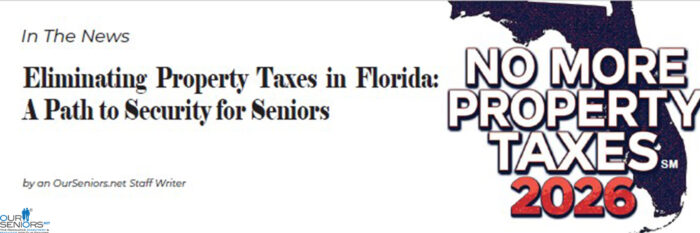
Property taxes throughout Florida have seen considerable increases due to a confluence of structural, economic, and policy factors that have intensified over the past decade, particularly after 2020. The following provides a detailed explanation:
________________________________________
1. Rapid Growth in Housing Prices (The Primary Factor)
Florida has been a hotspot for significant expansion in its housing sector:
• Influx of people migrating from states with higher taxes
• Growth of remote work opportunities and retirees relocating to the area
• Restricted availability of houses in numerous metropolitan areas
• Increased expenses for rebuilding in the aftermath of hurricanes
When property values increase, property taxes automatically follow suit unless regulations are in place to limit them.
Even in cases where the tax rate remained unchanged, property tax expenses increased due to substantial increases in the value of taxable property.
________________________________________
2. The “Save Our Homes” Act Offers Limited Protection — It Doesn’t Cover Everyone
In Florida, there’s a regulation that caps annual increases in property assessments for homes with homestead exemptions at either 3% or the rate of inflation, depending on which is less. However:
• New property owners are subject to assessments based on the full market value of their property.
• Rental properties and second homes are not afforded similar protection.
• The tax base experiences an immediate rise when properties change ownership.
This leads to:
• Substantial rises in taxes for individuals who have recently bought homes.
• A shift in the burden of taxes toward renters and those who have recently purchased property.
• Local administrations are pushed to depend more on rising property values instead of decreasing millage rates.
________________________________________
3. Local Authorities Seldom Reduce Millage Rates Significantly Enough
Even when there is a sharp increase in property values, a lot of local authorities:
• Keep tax rates at the same level.
• Or make only minor reductions to them.
• Or raise them to fund additional expenditure.
This results in:
Automatic rises in taxes without any direct public vote or “tax increase. ”
Although permissible by law, this is not always apparent to the public.
________________________________________
4. Fast Population Growth Drives Increased Spending
Each year, Florida sees an increase of hundreds of thousands of residents. An increase in population size results in a higher demand for:
• Educational facilities
• Law enforcement and fire services
• Roadways and management of traffic flow
• Supply of water, sewage systems, and stormwater management
• Services for handling emergencies
Since property tax revenues are the primary means of funding these services, government entities depend on them as expenses rise.
________________________________________
5. The Impact of Inflation on Construction and Operational Expenses
The inflation that occurred after 2020 led to an increase in the costs associated with:
• Vehicles for law enforcement and fire-fighting equipment
• Building and maintaining roads
• Building school facilities
• Insuring public buildings
• Salaries of public employees
Local governments were compelled to generate additional revenue simply to sustain the current level of services.
________________________________________
6. The Insurance Crisis Increased Taxes Indirectly
The insurance problems in Florida resulted in:
• Major rises in insurance premiums
• Increases in property replacement values
• Increases in expenses related to insuring government buildings
• Higher property evaluations utilized in tax calculations
Therefore, the assessed replacement value of properties increased, even in cases where there were no real improvements made.
________________________________________
7. The State Government Has Delegated More Duties to Local Areas
Florida features:
• No income tax at the state level
• Strong opposition to increasing taxes across the state
Consequently:
• The state often broadens expectations for services.
• But responsibility for funding these services is given to cities and counties.
That makes property taxes the main solution to financial challenges.
________________________________________
8. Voter-Approved Local Taxes & Bonds
Numerous counties have sanctioned:
• Bonds for the construction of schools
• Bonds for ensuring public safety
• Additional taxes for infrastructural development
These factors have a direct impact on property tax payments, often lasting for extended periods.
________________________________________
- Impact of Investors and Short-Term Rentals on the Tax BaseAdditional factors include:• Large investment firms buying properties
• Rentals similar to those offered on Airbnb
• Vacation or second residencesThese types of properties:
• Face taxation based on their complete market worth
• Frequently undergo quick yearly value adjustments
• Increase the overall local property values, affecting financial planning
________________________________________
The Fundamental Truth in a Single SentenceThe primary reasons for Florida‘s swift increase in property taxes are the dramatic rise in housing prices, a significant influx of new residents, increased expenses for government services due to inflation, and the dependence of local administrations on property taxes as their main adaptable income stream.
This is not due to voters specifically agreeing to substantial tax increases; rather, it is because the system is designed to automatically increase in proportion to the value of real estate and the demands of growth. Contact your local Representative and let them know we need a clean HJR on the ballot just one so we can vote in November. Contact your local Representative here: https://www.flhouse.gov/FindYourRepresentative Take your time to visit www.ourseniors.com and get ready to stand up Floridians!